Designing systems for intuitive play
A digital–physical LEGO experience focused on creative confidence—where interaction design, rapid prototyping, and testing shaped how children learn through play.
Interaction & Play Designer
Shaping the interaction model and play experience through prototyping
Skills
Interaction Design • Prototyping • User Testing
Due to NDAs and child-safety guidelines, this case study focuses on interaction design, prototyping, and decision-making. Visuals are limited to publicly released material, with details abstracted to highlight how the system was shaped.
Context
I joined LEGO City Missions during early concept development—when the experience existed as an idea, but not yet something you could play.
My role was to turn that idea into something testable, working across interaction design and prototyping to:
• define how the digital–physical system should behave
• build playable prototypes
• align the team around what the experience actually was
As the project evolved, so did my role. I moved from hands-on prototyping into shaping the interaction model and UX direction—defining how players interacted with the system, how feedback was communicated, and how the overall experience flowed.
I later supported this work by creating tools and pipelines that helped the team move faster—but the core focus remained on making the interaction model clear, testable, and shared across the team.
At this stage, prototypes weren’t just for testing—they were how we communicated and defined the product internally.

Turning an abstract concept into a clearly defined, testable experience through prototyping
Design Challenge
The project was grounded in a clear opportunity…
How might we create a play experience that builds creative confidence by encouraging children to think, experiment, and solve problems through play?

Balancing guidance and creative freedom was central to designing an engaging play experience.
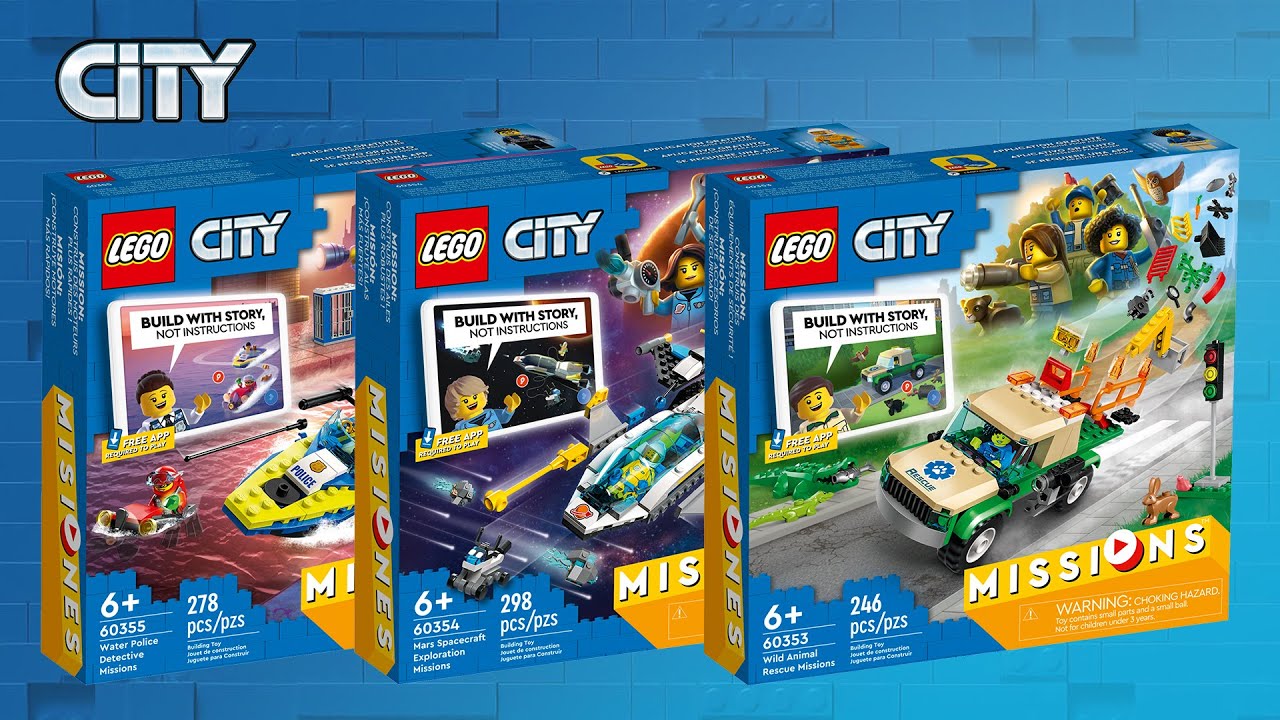
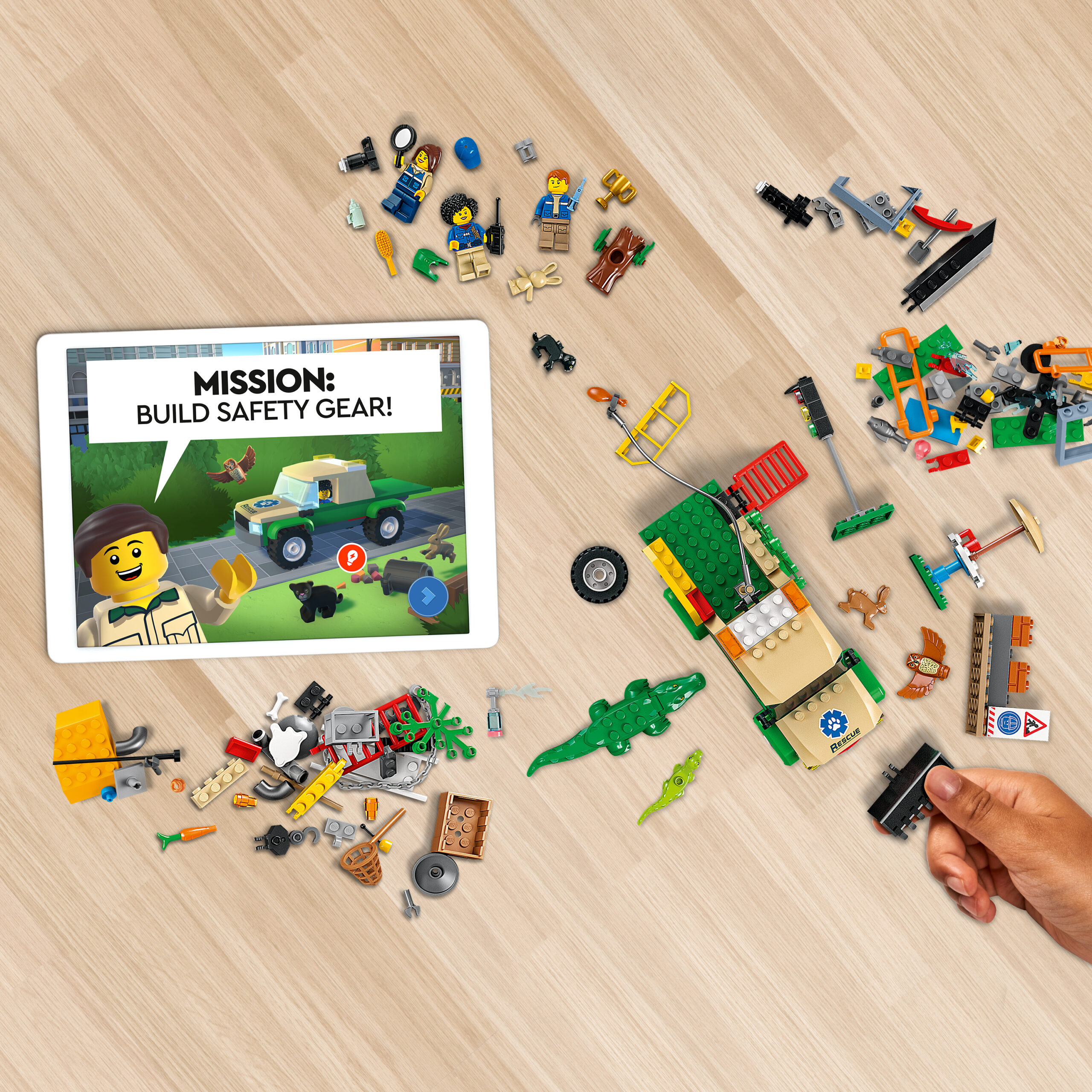
LEGO City Missions explored this through a story-led format—combining physical building with digital interaction to guide children through a series of missions. The ambition was to move beyond traditional instruction-based building and instead create a system where children could engage more openly, using imagination and critical thinking to progress.

This shift introduced a new challenge:
how to guide play without relying on instruction.
When I joined, this vision had not yet been realised in a cohesive, testable form.
My core challenge was to define and refine the digital-physical interaction model—designing an experience that felt intuitive, empowering, and engaging without relying on explicit instruction. At the same time, the work needed to clearly demonstrate its value to stakeholders, helping build confidence in both the play experience and its potential as a product.
This meant not only designing the experience itself, but also making it visible—through prototypes that allowed others to feel, understand, and evaluate the quality of the interaction.
My Approach
Defining the Interaction Model
I began by focusing on the core of the experience: the play loop.
As part of the play team, I helped define how the experience would actually be played—turning early principles like creativity, storytelling, and problem-solving into interaction models we could prototype and test.
Rather than designing linear flows, we built repeatable loops where players:
- engage with the story
- act in the physical world
- receive immediate feedback
- iterate and try again
Alongside this, I worked hands-on in prototyping—developing tools and workflows that allowed us to rapidly move from concept to playable experiences. This speed allowed us to explore multiple directions in parallel and quickly bring ideas into testing.

This loop became the foundation of the experience:
Exploring Guidance vs Creative Freedom
A key part of the process was understanding how much the system should guide the player, versus how much should be left open to interpretation.
We explored a range of interaction models—from more directed experiences with clearer prompts, to more open-ended systems that relied on player experimentation.
Through prototyping and testing, we evaluated how these approaches affected player behaviour:
- Did players feel confident in what to do?
- Did they experiment, or hesitate?
- Did the experience feel empowering, or restrictive?
This exploration helped define the balance required to support both clarity and creative freedom.

Testing Behaviour, Not Interfaces
Because the experience relied on intuitive, instruction-free interaction across digital and physical touchpoints, it wasn’t enough for it to appear clear—it had to be immediately understood through behaviour.
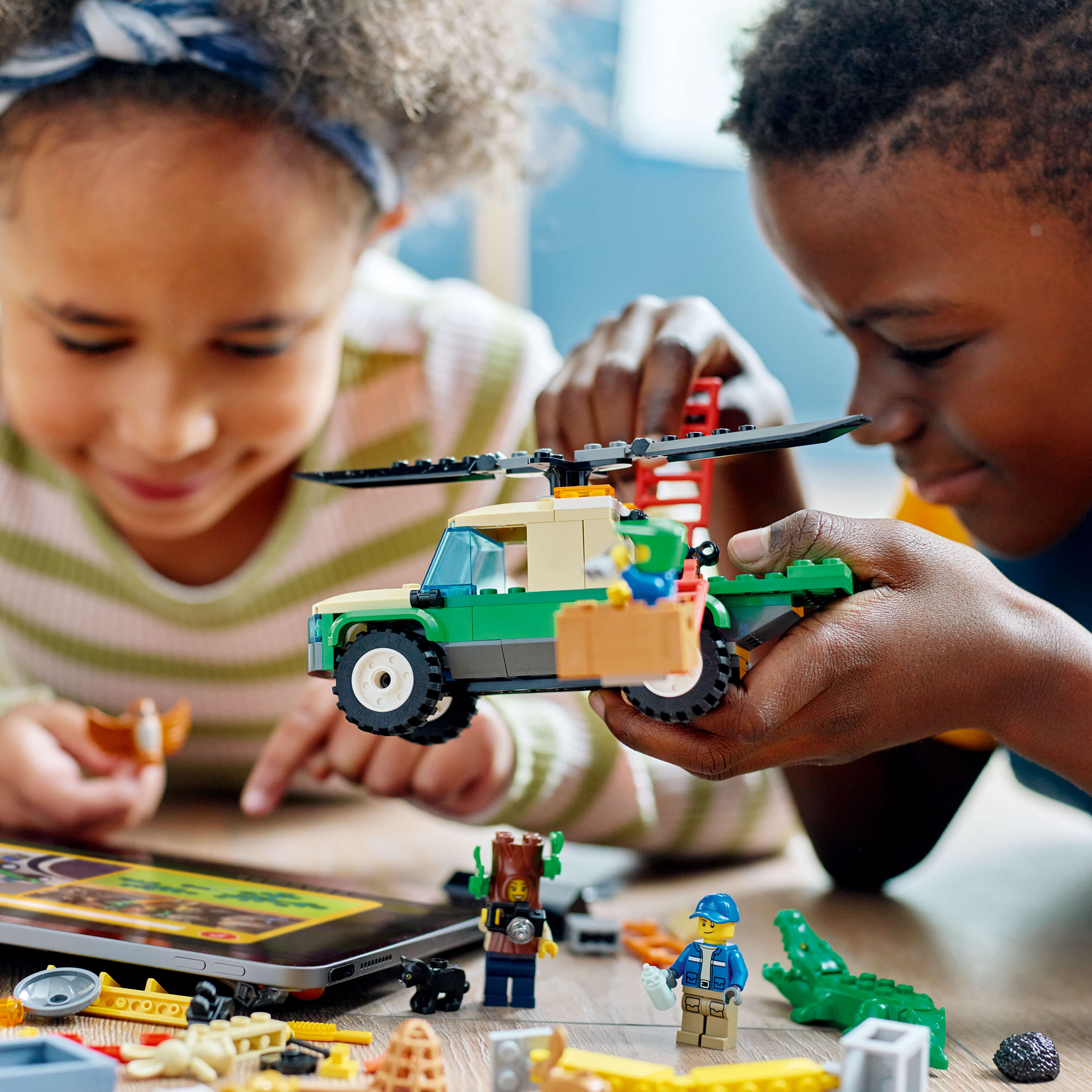
We tested early and often with kids, focusing on how they engaged with the interaction loop—especially the moments where they transitioned into physical play.
I looked for signals like:
- how quickly they took action
- whether they hesitated or experimented
- how confidently they solved problems
- whether digital and physical play felt connected
What we observed
- Players often skipped narrative setup
- Reading or interpretation caused hesitation
- Engagement increased when action was immediate
- Feedback helped players understand what to do
- Weak digital–physical links broke the experience
Key Decisions
These decisions turned behavioural insights into a playable interaction system.
1.
Action over explanation
Reduced setup to bring players into action faster.
→ Players learned by doing.
→ Players learned by doing.
2.
Feedback over instruction
Replaced prompts with immediate feedback.
→ Players learned through cause-and-effect.
→ Players learned through cause-and-effect.
3.
Confidence over Correctness
Removed the idea of a “right answer.”
→ Players explored more freely.
→ Players explored more freely.
4.
One connected system
Strengthened the link between digital and physical.
→ The experience felt cohesive.
→ The experience felt cohesive.
Hover to see how each decision shaped the experience
Together, these decisions formed a system where players learn through action, feedback, and exploration.
Outcomes & Impact
The project evolved from an early concept into a clearly defined interaction model that could be experienced, tested, and communicated with confidence.
Through iterative prototyping and testing, the experience shifted toward shorter, more intuitive interaction loops—allowing players to quickly understand how to engage through action rather than instruction.
This change reduced hesitation and supported a more fluid transition between digital and physical play, helping the experience feel like a single connected system rather than two separate modes.
By prioritising feedback and immediacy, the design enabled players to:
- engage more quickly
- experiment more freely
- build understanding through interaction
This resulted in a more confidence-driven play experience, where players felt empowered to explore, iterate, and solve problems in their own way.
Beyond the player experience, the prototypes also played a key role internally—helping stakeholders understand the value of the interaction model and supporting the transition from concept to a product-ready direction.
Reflections
This project shifted how I think about interaction design—from designing flows to designing systems that shape behaviour.
What worked
Focusing on behaviour over instruction proved to be critical. Designing interactions that could be understood through feedback—rather than explanation—allowed players to engage more naturally and confidently. Rapid prototyping and frequent testing made it possible to quickly identify what worked and refine the experience in meaningful ways.
What was challenging
Balancing guidance and creative freedom required constant iteration. Too much structure limited exploration, while too little created confusion. Designing a cohesive digital–physical experience also introduced complexity, particularly in ensuring interactions felt connected rather than fragmented.
What I learned
- Systems should teach themselves through interaction, not instruction
- Feedback is more effective than explanation in shaping behaviour
- Confidence drives engagement—players explore more when they feel capable
- Prototypes are tools for alignment, not just testing
Looking forward
This project strengthened my focus on designing interaction systems that enable intuitive, exploratory behaviour—particularly in ambiguous, early-stage problem spaces. It continues to shape how I use prototyping to explore, communicate, and define new interaction models.